Ethically Made Clothing
Impeccable Quality at Each Step
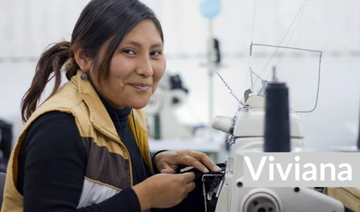
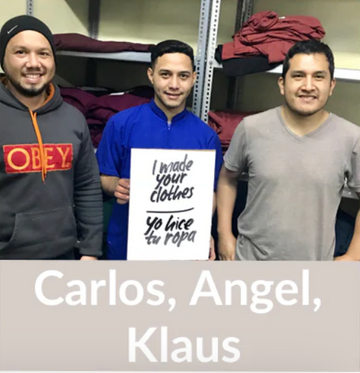
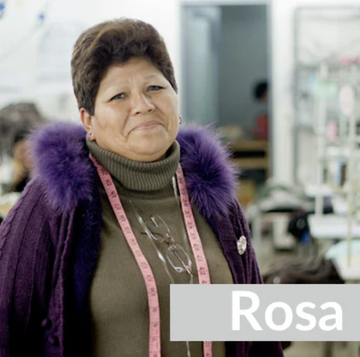
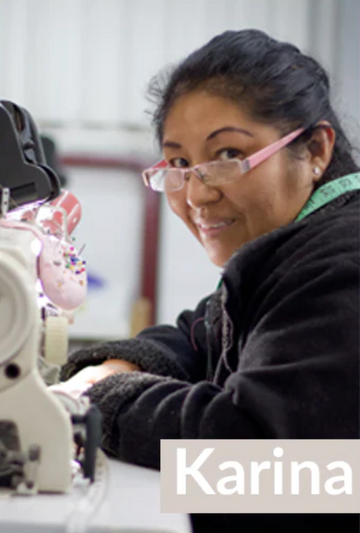
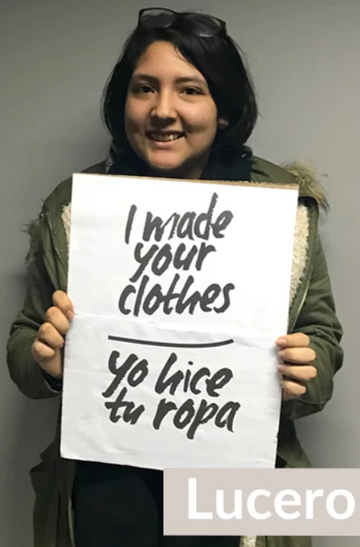
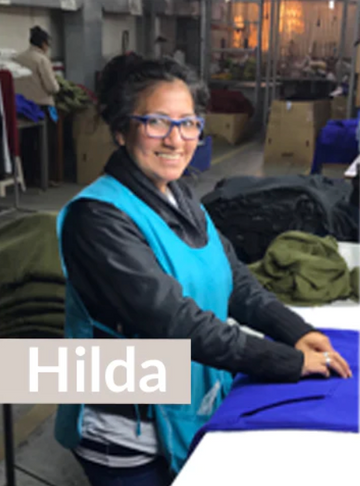
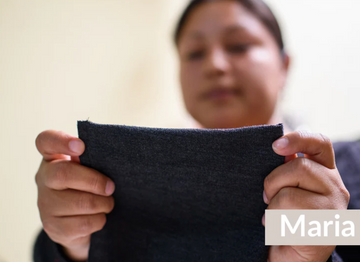
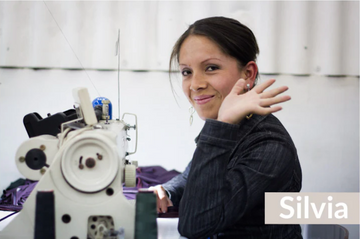
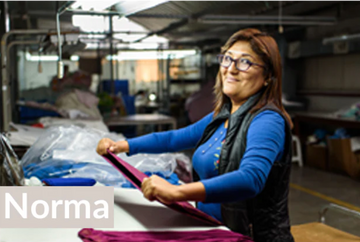
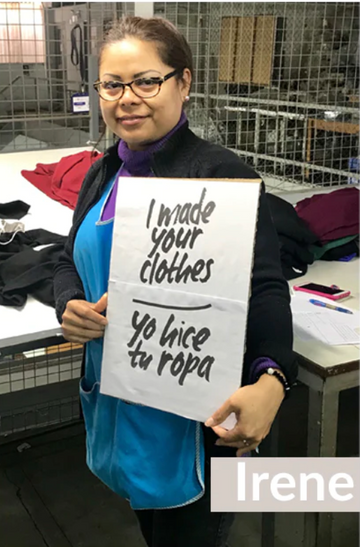
Too often, the idea of sustainability treats human beings as afterthoughts. For us, they are front and center. If organic clothing is priced too good to be true, it's likely because the well-being of garment workers was overlooked. We pay our artisans and operators fairly and create a supportive work environment, providing the means to a healthy, happy life. It's the only way to build a truly SUSTAINABLE business. And a better world.
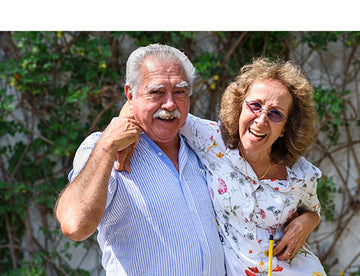
Javier & Elsa
Small family businesses are increasingly rare in apparel making, but wife and husband team Elsa and Javier stand apart as an exception. And as exceptionally inspiring. They grow their own organic Pima cotton, run their own small-batch sewing workshop in Lima, and serve as a hub for dozens of tiny knitting and sewing cooperatives that lift scores of Peru's poorest citizens out of poverty.
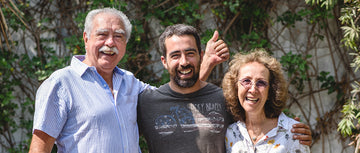
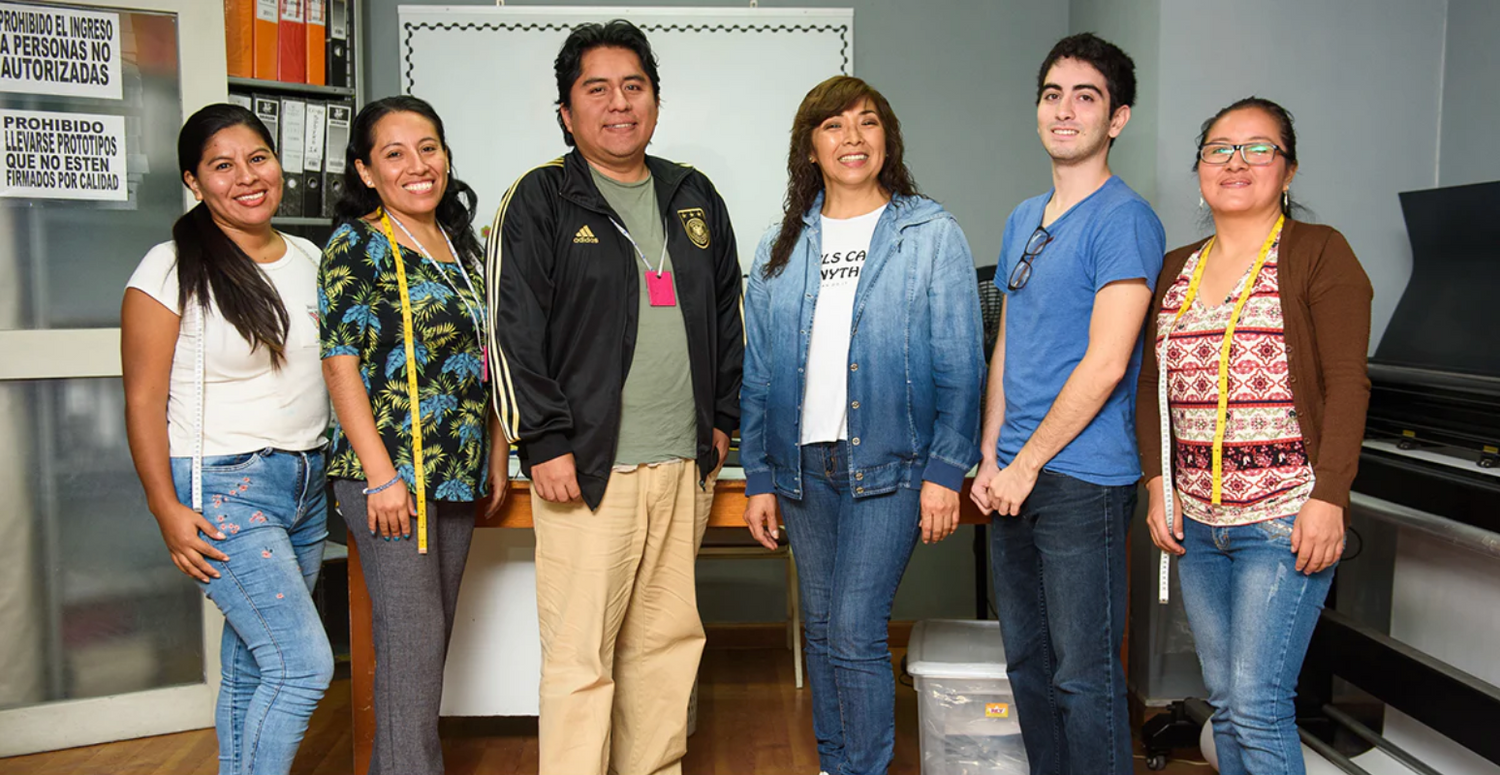
Two other people instrumental in making it all happen are their son, Javier Jr and Patricia, their faithful employee of thirty years. Javier Jr manages the two thriving and growing organic cotton farms. Patricia performs the Herculean task of translating our technical clothing specifications from English to Spanish and is generally the oil that keeps all the parts of the enterprise moving.
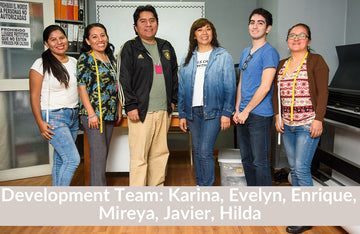
The development team takes our technical specifications and turns them into samples that are sent back to Madison, Wisconsin for us to review and approve. Everything from garment pattern making to color approval to dozens of other tiny things most people who wear clothes never think of.
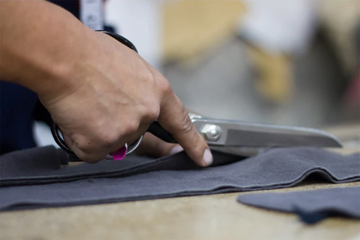
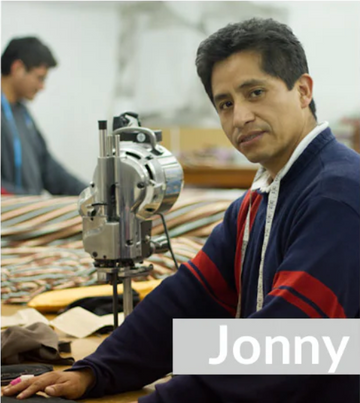
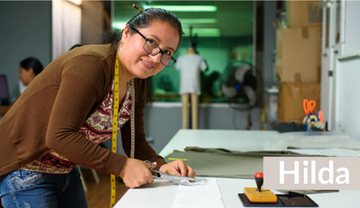
The pre-washed fabric for our organic clothing comes into their workshop where it is expertly cut by artisans like Jonny. Jonny started as an apprentice, demonstrated his incredible abilities and steady hand, and was promoted to lead cutter two years later.
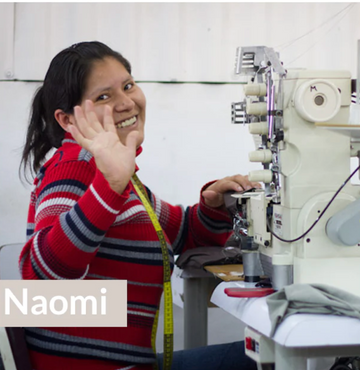
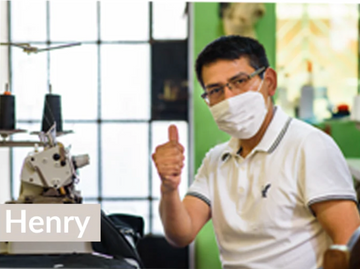
Unlike many apparel factories we've visited, the employees in Javier and Elsa's workshop have often been employed ten, fifteen, even twenty-plus years. It's a testament to the family atmosphere and the way workers are treated and fairly compensated for a hard day's work.
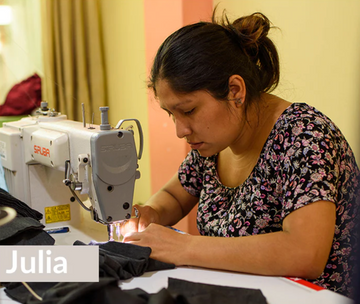
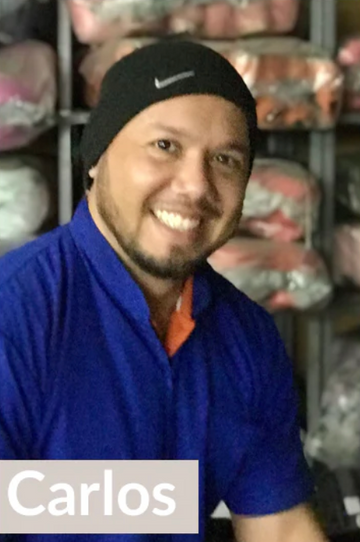
We think it's extremely important to show up. And not just to factory showrooms as is common in the industry. But to get on the sewing floor, to understand, talk with, and share meals with the hourly workers who you and we rely on. They're a critical part of our success - the foundation of it, actually.
Fair Indigo At Work